More Options, Worse Decisions
B2B sales teams keep adding options to proposals. More tiers, more configurations, more "flexibility for the buyer." The logic feels obvious: give people more ways to say yes, and more of them will.
The behavioral evidence runs the other direction.
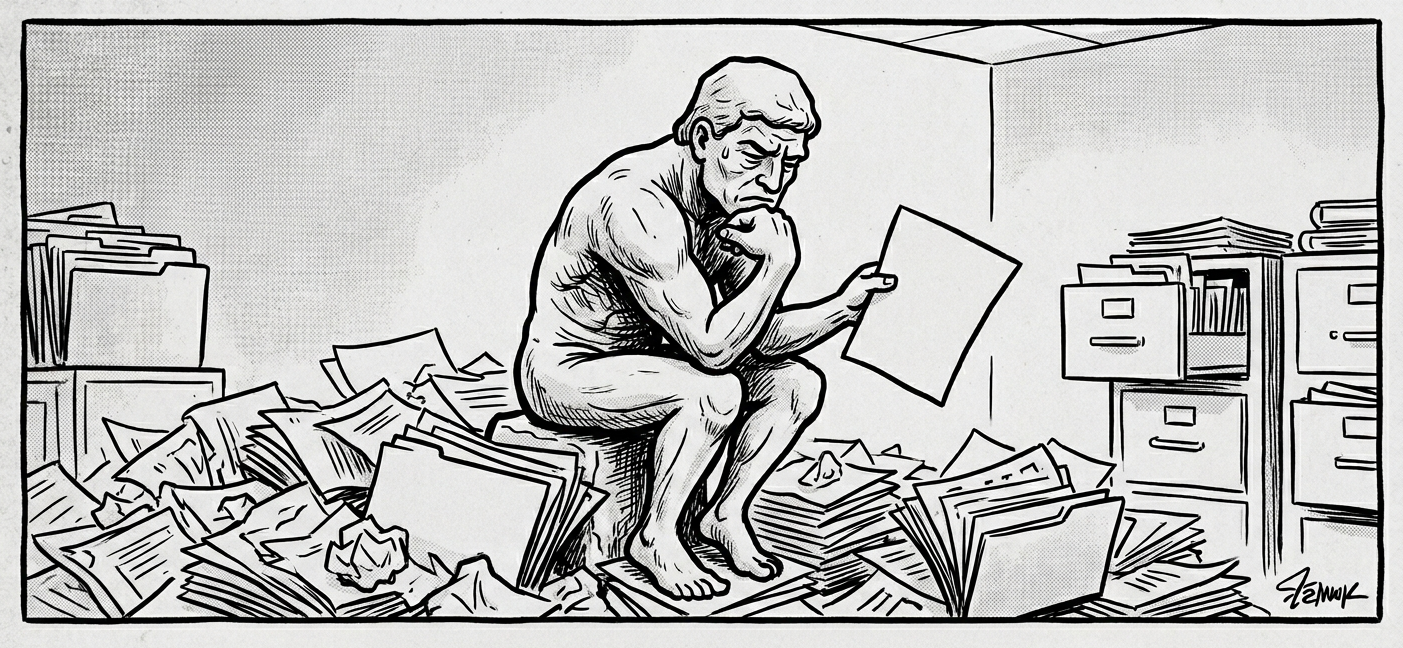
In Iyengar and Lepper's jam study, shoppers who saw 24 varieties were more likely to stop and browse than shoppers who saw 6. But the smaller assortment converted ten times better at the register. Attention went up with more choice. Decisions went down.
The mechanism isn't laziness. Every additional option raises the cognitive cost of comparing, the anticipated regret of picking wrong, and the suspicion that the right answer is hiding somewhere in the set. At some point the easiest move is to defer.
In B2B, deferral has a specific shape. The person you're selling to rarely makes the decision alone. They take your proposal into a room you're not in, with a committee that wasn't on any of the calls, and they have to explain and defend whatever you put in front of them. Every option you added gives someone in that room a reason to ask a question, raise a concern, or suggest looking at one more vendor. The proposal that wins is often the one that makes their internal conversation shorter.
This shows up beyond proposals too. Pricing pages with five tiers convert worse than pages with three. Sales decks that present every possible configuration close slower than decks that present a recommended path with two alternatives. Onboarding flows with a dozen optional setup steps see higher drop-off than flows that pick three defaults and let the user override.
The fix isn't fewer features. It's fewer foreground choices. Architecture, not subtraction.
A few moves that work:
Default to a recommendation. "Most teams in your situation start here" does more for conversion than a balanced grid. Defaults are a hypothesis about what fits, which the buyer can accept or reject.
Sequence the decisions. Ask one question at a time. Buyers can handle a tree of small choices better than a single screen of big ones.
Hide the long tail. Power users will find the advanced options. Everyone else benefits from not seeing them.
The takeaway: when a deal stalls, the instinct is to add an option that addresses the buyer's specific concern. Usually the better move is to remove three options that were creating the stall in the first place.